Why Does My Dog Put His Paw on Me?
Why Does My Dog Put His Paw on Me? This is a question many dog owners find themselves pondering, often as they feel the gentle weight of a paw resting on their lap or arm. Whether it’s during a quiet evening at home or while you’re busy doing something else, a dog’s paw can serve as a clear signal of various needs or emotions. Understanding this gesture can enhance your bond with your dog and help you respond appropriately to their needs.
Quick answer: Dogs may put their paws on you as a sign of affection, to seek your attention, or to request help. The context and your dog’s individual personality are essential in interpreting this behavior accurately.
Understanding the Reasons: Why Does My Dog Put His Paw on Me?
Affection and Bonding
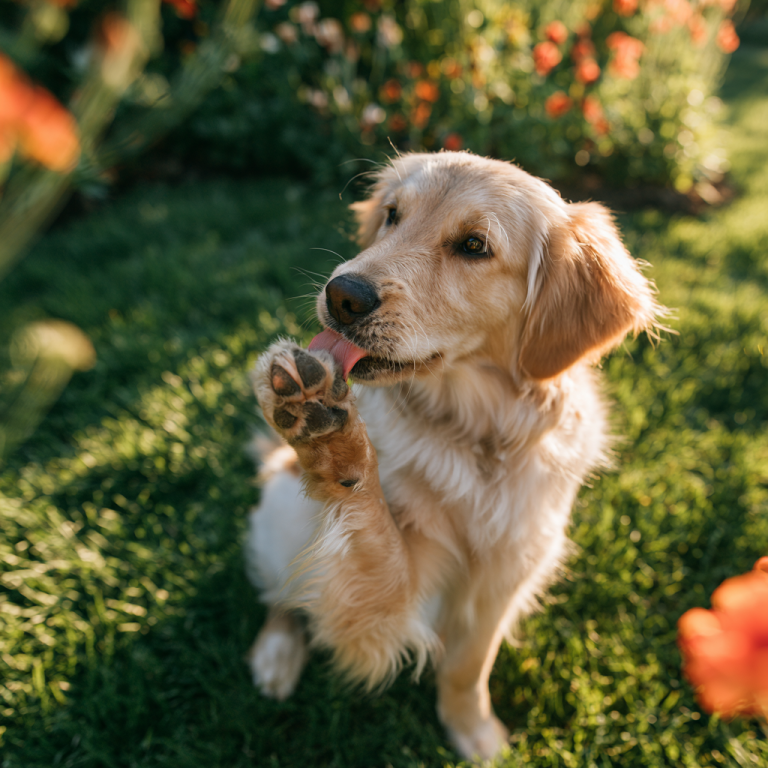
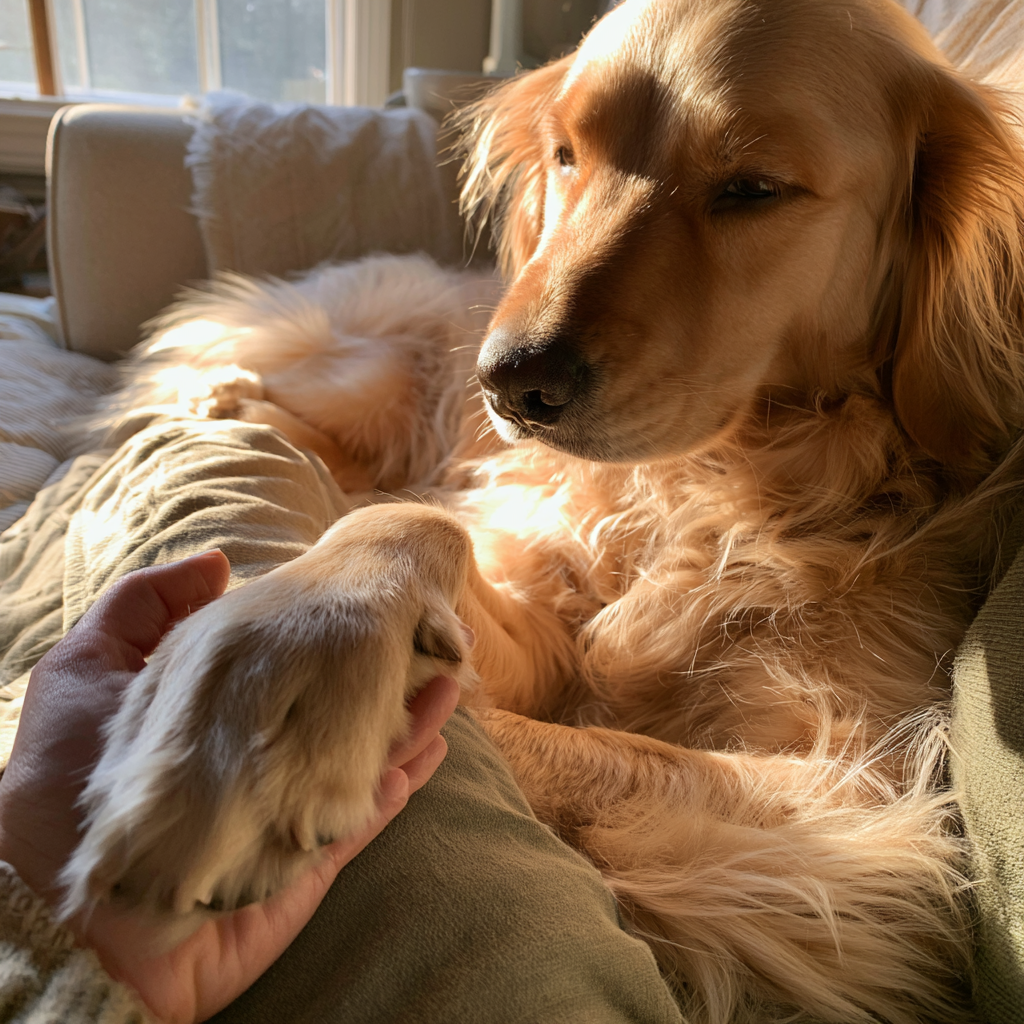
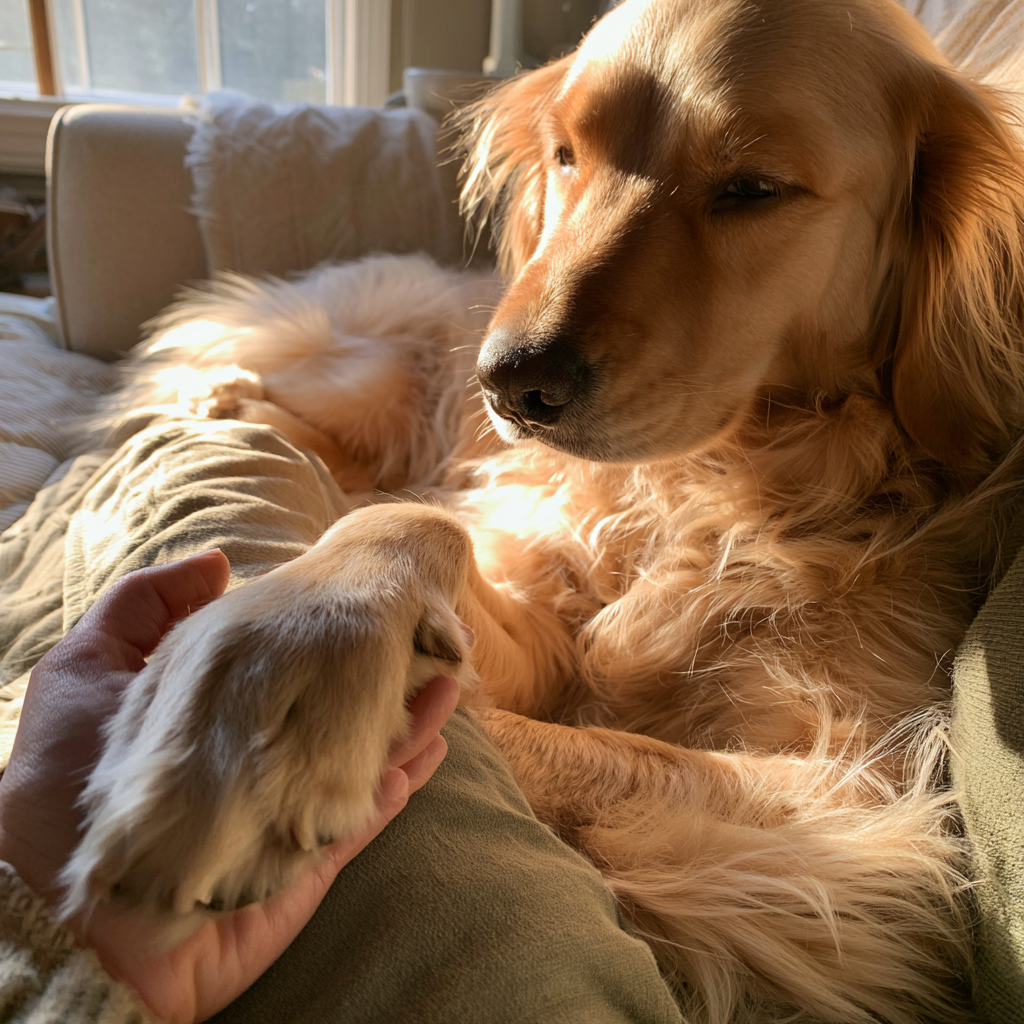
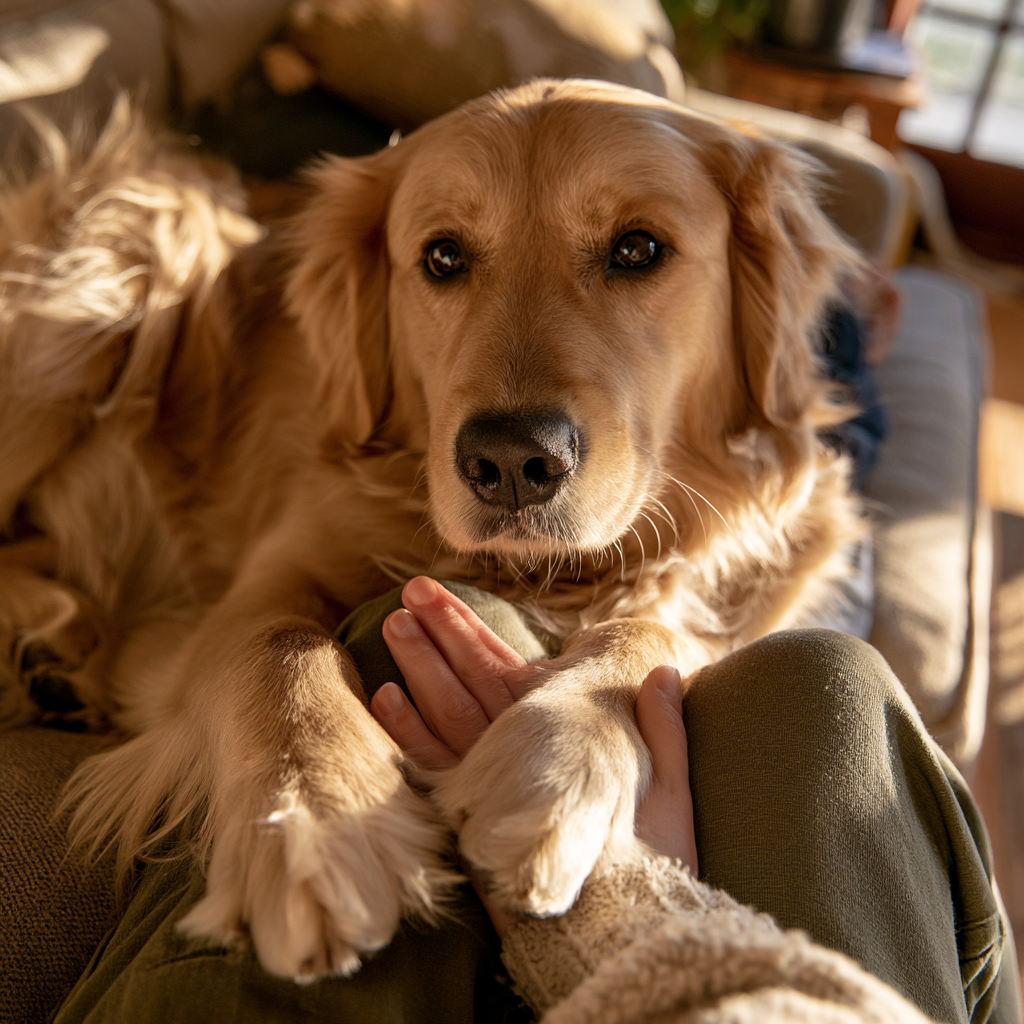
When your dog places a paw on you, it often reflects their affection and desire for closeness. This behavior can be rooted in the bond they share with you. Dogs are social animals, historically living in packs, and they naturally seek physical contact as a way to connect. By resting a paw on your body, they may feel reassured and comfortable in your presence.
Consider a scenario in which you’re sitting on the couch reading. Your dog approaches and places a paw on your leg, perhaps coupled with a relaxed body posture and soft eyes. In this context, it likely indicates a desire for interaction or just enjoying your company. This simple act reinforces the emotional bond between you and your dog, fostering feelings of trust and security.
However, the meaning can vary based on context. A dog that consistently places their paw on you during stressful situations—such as loud noises or during a vet visit—may be seeking comfort and security rather than just affection. Observing your dog’s overall body language and the surrounding environment can provide insights into their emotional state.
Seeking Attention
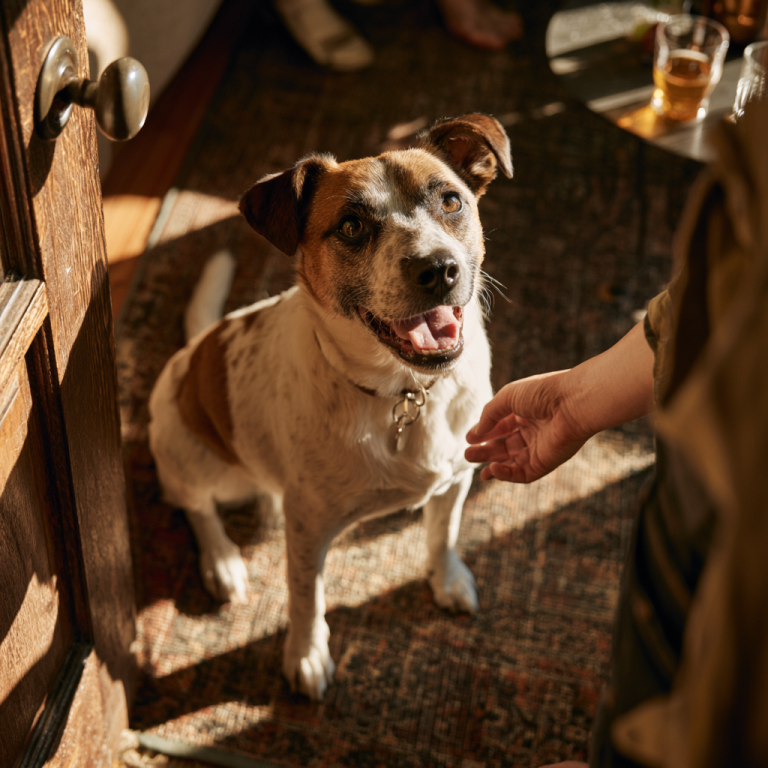
While affection is one reason for pawing, dogs also use this behavior to grab our attention. If your dog frequently places a paw on you when they want to play, go for a walk, or are hungry, they are likely trying to communicate their needs. This behavior can become quite pronounced, especially if they realize it works to their advantage.
If you find yourself responding to this gesture by giving treats, praise, or immediate attention, this may reinforce the behavior. In some cases, dogs learn to use their pawing as a means of demand or request. This can lead to a cycle where the dog becomes increasingly reliant on pawing to get what they want, which, if excessive, can create behavioral issues, particularly in anxious dogs.
It’s important to respond to this behavior thoughtfully. While it’s natural to want to respond to your dog’s needs, consider redirecting their attention or teaching an alternative behavior for asking for things, like sitting calmly. This not only helps curb excessive pawing but also promotes other methods of communication.
Interpreting Your Dog’s Body Language
When interpreting why your dog puts his paw on you, it’s crucial to observe the accompanying body language and the situation at hand. Dogs communicate not only through their paws but also with their ears, tails, and facial expressions. Understanding these cues can help you respond appropriately to their needs.
Requesting Help or Support
In moments of distress or uncertainty, a dog may reach out to you with their paw as a request for help or support. This behavior can be particularly poignant in situations where they’re facing something unfamiliar or alarming. For example, if your dog is nervous during a thunderstorm, placing a paw on you can signify that they are seeking comfort.
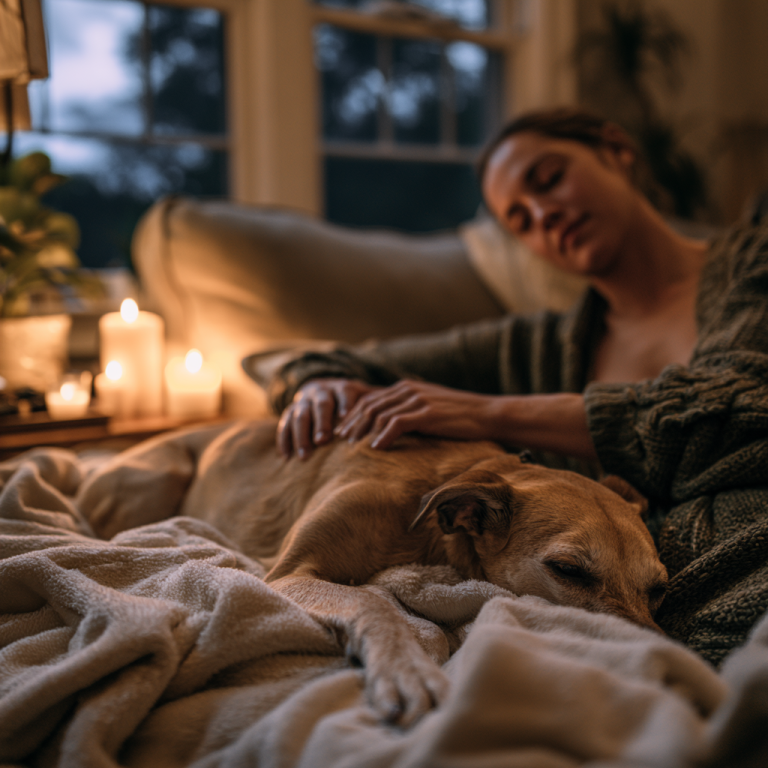
In these instances, gently acknowledge their gesture. You might respond by offering a soothing voice or physical contact in return, such as petting them or creating a safe space. Providing reassurance and comfort can help alleviate their anxiety and strengthen your bond.
Watch for other signs like lowered ears, a tucked tail, or tense body posture, which can accompany pawing in anxious situations. If you notice these signs, it’s essential to create a calm environment and avoid forcing your dog to engage with the stressful stimulus.
Caution with Anxious Dogs
It’s important to exercise caution when interpreting pawing behaviors in anxious dogs. While some may engage in this behavior as a means of seeking comfort, repeated pawing can also become a compulsive action driven by stress or anxiety. If your dog regularly relies on pawing to express discomfort or to get attention, it may signal underlying anxiety issues.
In this case, not every response to pawing should be positive reinforcement. Constantly rewarding the behavior can inadvertently encourage it as a means of demand or can escalate anxiety. Instead, consider ways to help your dog learn more positive coping strategies or seek the guidance of a professional trainer or behaviorist if needed.
Furthermore, evaluate your dog’s history and past experiences. A dog with a troubled history may resort to pawing more quickly, especially if they’ve encountered negative stimuli or situations in the past. Tailoring your responses to address their individual personality, experiences, and emotional state can enhance their well-being and reduce reliance on behaviors driven by anxiety.
Ultimately, each dog’s personality plays a significant role in how they communicate and express their needs. Understanding these nuances can not only improve your relationship with your furry companion but can also foster a more harmonious living environment for both of you.
Frequently Asked Questions
What does it mean when a dog puts his paw on you?
When a dog puts his paw on you, it often signals affection or a desire for attention. However, it can also indicate that your dog is seeking comfort or trying to communicate a need.
Is my dog trying to tell me something when he paws at me?
Yes, pawing can be a form of communication. Depending on the context, your dog might be expressing love, seeking attention, or looking for support in stressful situations.
Can dogs sense my emotions through touch?
Dogs are known to be attuned to human emotions, and they can often pick up on subtle cues, including physical touch. This connection can lead them to respond with affection or support when they sense you need it.
Why does my dog always paw at me when I’m busy?
Your dog may be trying to redirect your attention from what you are doing to him. This behavior often stems from a desire for play or engagement, especially if he’s feeling overlooked.
How do I respond when my dog paws at me?
Consider your dog’s behavior and context to determine the best response. If he is seeking attention or affection, taking a moment to engage with him can strengthen your bond. If he seems anxious, providing reassurance or a calm presence may be more appropriate.