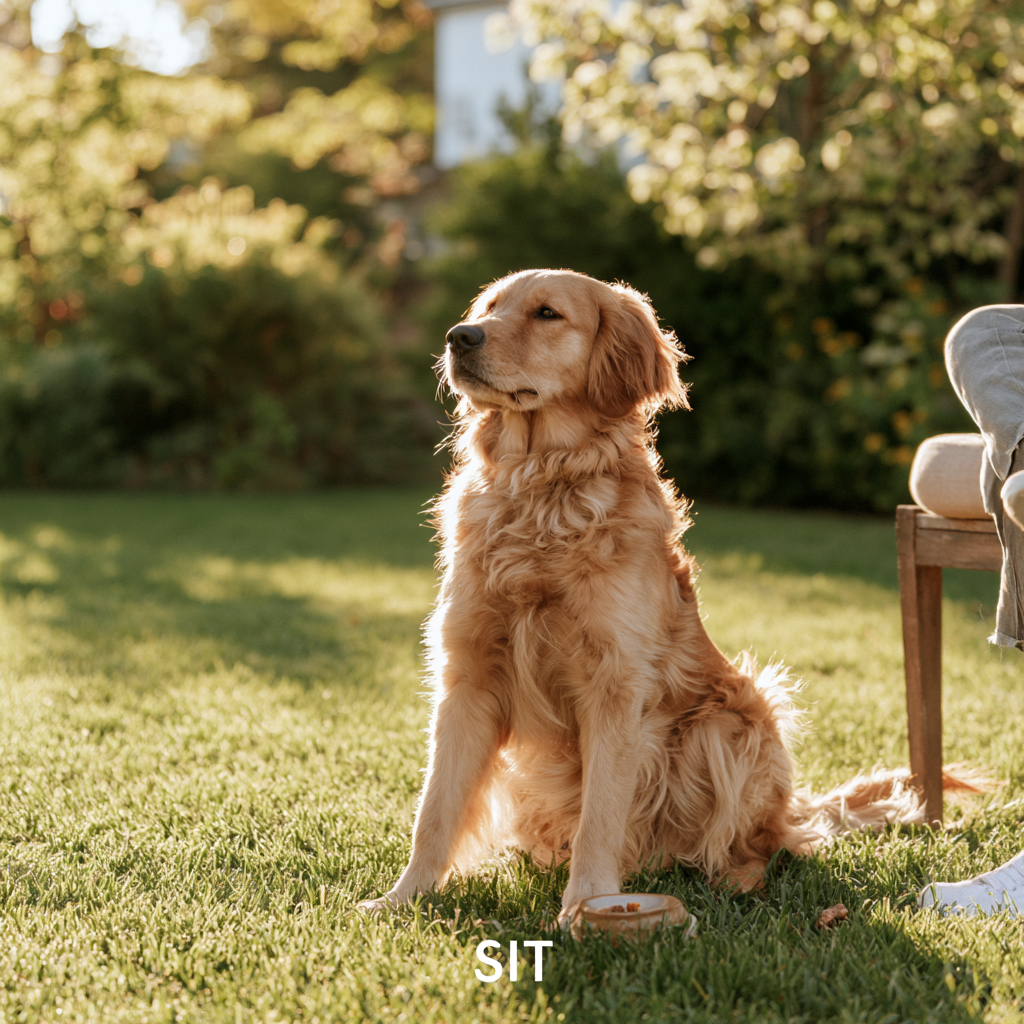
How to Teach a Dog to Sit and Stay: A Step-by-Step Guide
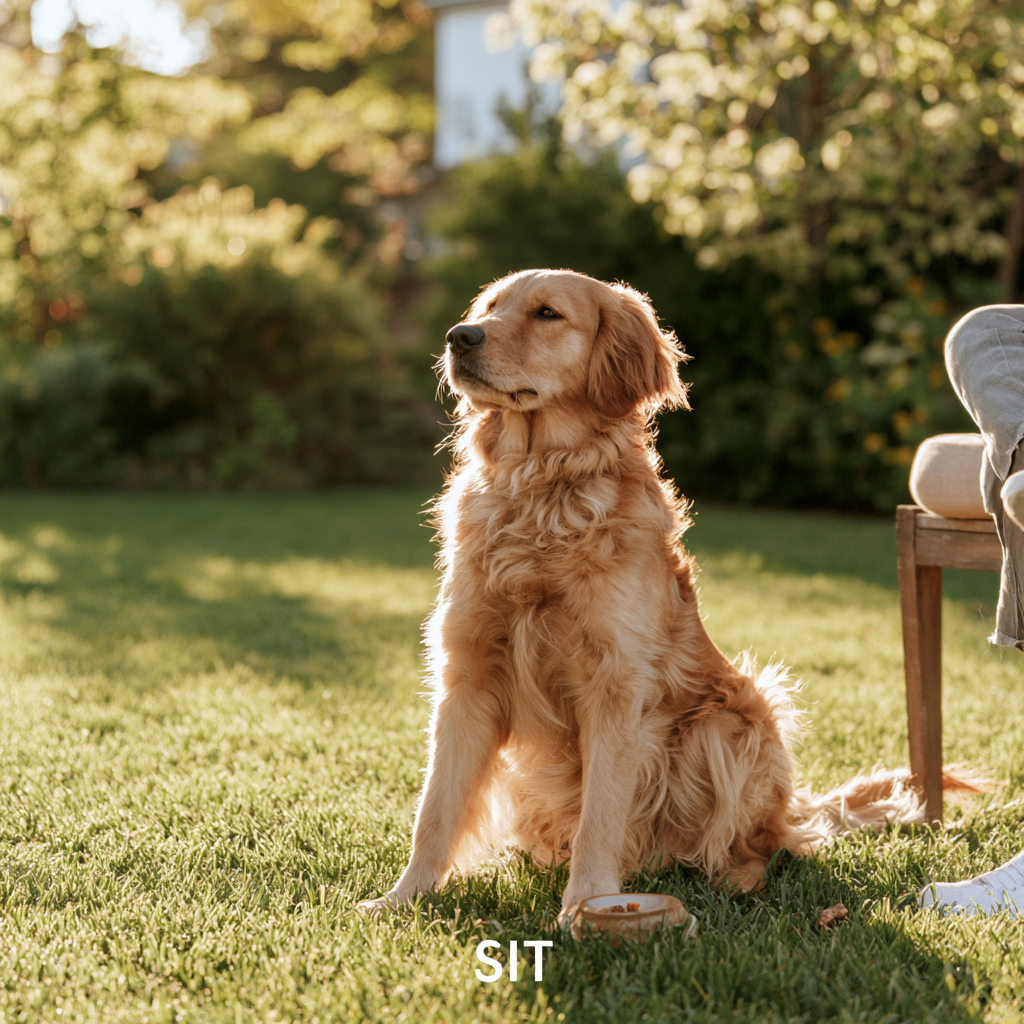
How to Teach a Dog to Sit and Stay is a fundamental skill for any dog owner. These commands not only make daily interactions easier but also enhance your dog’s manners and safety in various situations. Training your dog to reliably sit and stay can take some time and patience, yet it can be an incredibly rewarding experience for both of you. This guide will provide you with effective strategies and insights to help you and your dog achieve these commands with confidence.
Quick answer: To teach a dog to sit, use positive reinforcement and guide them into a sitting position. For the ‘stay’ command, begin with short intervals and gradually increase the duration and distance. Consistency and patience are key to success.
Understanding Dog Behavior and Training Basics
The importance of positive reinforcement
Positive reinforcement is a crucial aspect of effective dog training. This method involves rewarding your dog for good behavior, reinforcing the idea that they will receive something desirable when they comply with your commands. Rewards can come in various forms, including treats, praise, or toys. The use of positive reinforcement encourages your dog to perform the behavior you want to see more often.
When introducing new commands like ‘sit’ and ‘stay’, focus on rewarding your dog immediately after they follow your instruction. This immediate feedback helps them connect the behavior with the reward. It’s also essential that these rewards be high-value in your dog’s eyes; this might mean using small, tasty treats or engaging toys they love. Over time, the goal is to decrease the frequency of treats as your dog learns to comply consistently.
Timing in training sessions
Timing is a critical factor in successful training sessions. The ideal duration for each training session should typically last no longer than 5 to 10 minutes, especially for younger dogs that may not have the attention span needed for longer sessions. Keep it engaging and enjoyable. Break up training into short, fun bursts rather than overwhelming your dog with prolonged instruction.
Moreover, timing also refers to how promptly you respond to your dog’s actions. If your dog sits after you give the command, offering a reward should be immediate. Delayed responses can lead to confusion, as dogs may not understand exactly what behavior earned them the reward. Aim to be consistent with both the timing of your commands and the rewards you provide.
Signs your dog is ready to learn
Understanding when your dog is ready to learn can significantly enhance the training process. Look for the following signs and behaviors indicating your dog is receptive to learning:
- Calm demeanor: When your dog is relaxed and not overly excited or distracted, it’s a good time to start training.
- Focused attention: If your dog is looking at you or showing interest in the training activity, it shows they are willing to engage.
- Hunger or appetite: Training right before mealtime or using a favorite treat can increase your dog’s motivation to learn.
- Playfulness: If your dog is in a playful mood, using playtime as a reward can help reinforce learning.
- Health comfort: Ensure your dog is not in pain or discomfort, as this may hinder their ability to learn. If you observe any unusual behavior, it may be beneficial to consult a veterinarian.
When you notice these signs, consider diving into training to maximize your dog’s learning potential. Moreover, be flexible; sometimes your dog may not be in the mood to learn, and respecting their needs is vital for a healthy training relationship.
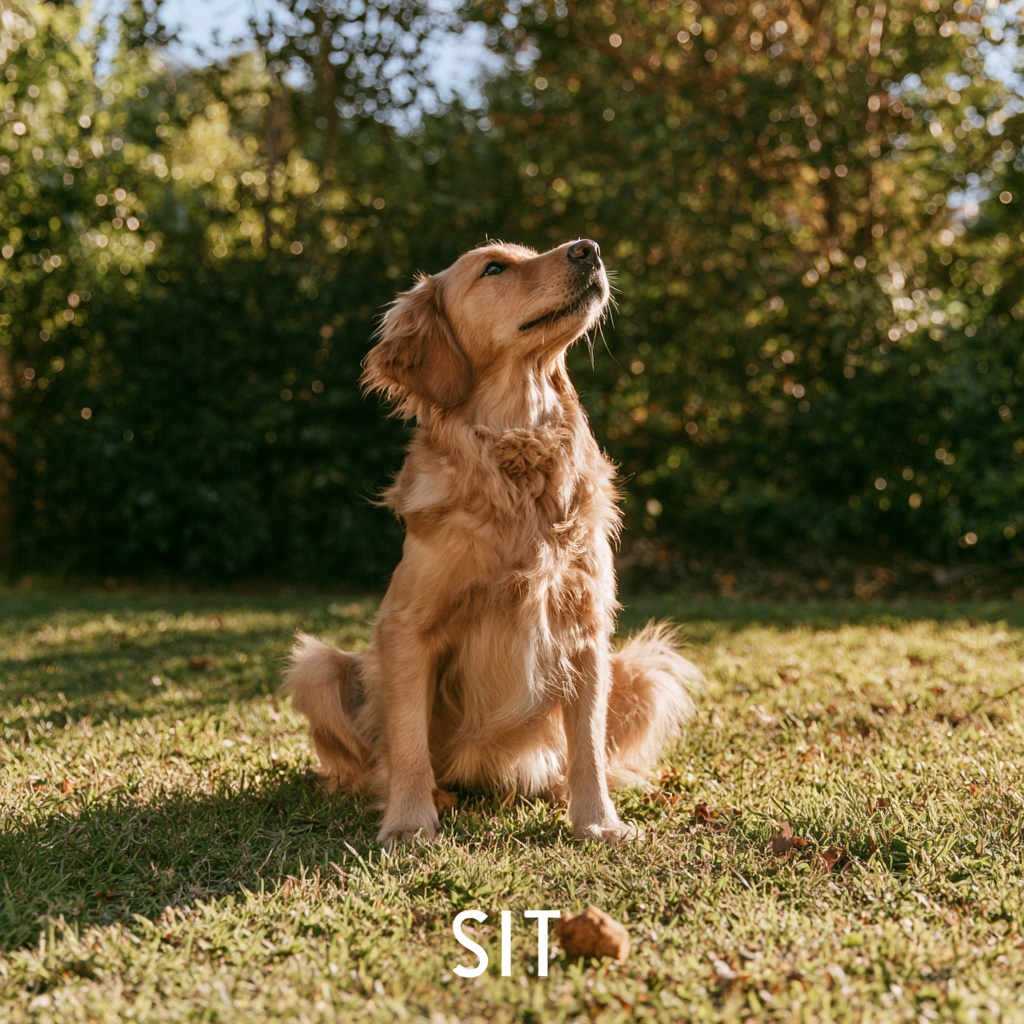
How to Teach a Dog to Sit and Stay
Step 1: Teaching ‘Sit’
To begin teaching your dog to sit, follow these straightforward steps:
- Get your dog’s attention: Use a treat or toy to capture your dog’s focus. Ensure the environment is quiet to minimize distractions.
- Guide them with the treat: Move the treat slowly above and over their head. This action naturally encourages them to position their back legs beneath their bodies and lower their front legs to the ground.
- Introduce the command: As soon as their bottom touches the ground, clearly say “Sit” and immediately reward them with the treat and praise.
- Repeat the process: Practice this multiple times, ensuring to reward your dog every time they successfully sit. Consistency in your verbal command and gesture is key.
- Gradually phase out the treat: Once your dog starts sitting on command, you can gradually reduce the amount of treat reinforcement, but continue offering praise.
Be attentive to your dog’s individual personality. Some may catch on quickly, while others may need additional time. Always approach training with patience and an open mind to adapting your techniques based on your dog’s response.
Step 2: Introducing ‘Stay’
Once your dog is comfortable with the ‘sit’ command, you can proceed to teach them ‘stay.’ Here’s how:
- Have your dog sit: Start with your dog in a seated position. Ensure they understand this command before moving on to ‘stay.’
- Introduce the command: Open your palm in front of your dog and firmly say “Stay.” Use a calm voice that conveys your authority.
- Take a small step back: Move a step away from your dog. If they stay in place, reward them instantly. If they move, calmly guide them back to the sitting position.
- Gradually increase distance: With practice, increase the distance between you and your dog before providing the reward. Initially, keep the distance manageable, then gradually increase as they get better at staying.
- Practice in different locations: Once your dog reliably stays in various situations, introduce distractions to further solidify this command in real-life scenarios.
Teaching ‘stay’ effectively requires repeat practice and might need adjustments based on your dog’s focus level and natural tendencies. If your dog appears anxious or struggles to remain stationary, shorten the distance and practice from there. It’s essential to maintain a backdrop of calmness, rewarding your dog for their ability to resist the impulse to move.
Gradual increase of distance and duration
In training your dog to sit and stay, it’s crucial to gradually increase both the distance and duration of each command. Here’s how to effectively implement this:
- Start small: Begin with only a few seconds of duration and minimal distance when introducing the commands. This eases your dog into the expectations without overwhelming them.
- Increase time spent: Gradually extend the duration of time your dog sits or stays before receiving a reward. For example, wait for 10 seconds before rewarding, then build up to 30 seconds and beyond.
- Increase distance: Once your dog is comfortable maintaining the sit or stay command for longer periods, begin increasing the distance from them. Start with just a few steps and gradually increase as they succeed.
- Practice in varied environments: To ensure your dog can perform these commands in real-world situations, practice in parks, busy streets, and other environments with different levels of distractions.
- Be observant: Watch for signs of frustration or lack of focus, as they indicate your dog may need a break or an easier command for now.
This step-by-step approach, coupled with constant reinforcement and adjustments tailored to your dog’s unique learning pace, will enhance your training efforts. The foundation built from positive reinforcement will encourage a stronger bond between you and your dog, paving the way for further instruction.
Remember, practice and communication are central to teaching your dog these valuable commands. If you encounter challenges, approach each session with patience and readiness to adapt your methods based on your dog’s behavior.
Frequently Asked Questions
What are the best treats to use for dog training?
High-value treats that your dog loves, such as small pieces of chicken, cheese, or commercial dog training treats, tend to work best for training. The key is to select rewards that are enticing enough to motivate your dog during training sessions.
How long should training sessions be for dogs?
Training sessions should typically last around 5 to 10 minutes for most dogs, particularly puppies or younger dogs. As your dog becomes more experienced and focused, you can gradually extend the session time.
What to do if my dog won’t sit?
If your dog struggles to sit, you may need to revisit your technique. Check for distractions in the environment or try using a more enticing treat. Additionally, ensure that your dog is comfortable and not experiencing any physical discomfort that might hinder their ability to learn.
Can older dogs learn new tricks?
Yes, older dogs can absolutely learn new tricks, though they may require patience and more time than younger dogs. Their past experiences and established behaviors can influence the learning process, but with positive reinforcement and practice, they can succeed.
How do I know my dog understands the commands?
A dog understands commands when they consistently respond accurately and promptly to your cues without needing to see a visual reminder. Look for confident body language, such as eagerness to engage and willingness to perform the command.
What should I do if my dog gets distracted during training?
If your dog becomes distracted during training, take a break to refocus their attention. You might change the environment or reduce distractions, and be sure to reward them immediately when they maintain focus on you, helping reinforce their attention.