How to Tell If Your Cat Is Happy: Signs You Should Know
How to Tell If Your Cat Is Happy is a question many cat owners find themselves asking as they strive to ensure their feline companions are feeling their best. Unlike dogs, cats can be more elusive with their emotions, often leaving us to decipher complex signals. However, understanding a few key indicators of a happy cat can enhance your relationship and promote a contented home environment.
Quick answer: To tell if your cat is happy, observe signs like relaxed body posture, purring, slow blinking, and playful behavior. Each cat expresses happiness differently, so consider their individual personality and preferences in conjunction with their behavior.
Understanding How to Tell If Your Cat Is Happy
Common signs of a happy cat
Identifying a happy cat is a nuanced process, as behaviors can vary significantly between individuals due to temperament, history, and current context. There are some common indicators we can observe:
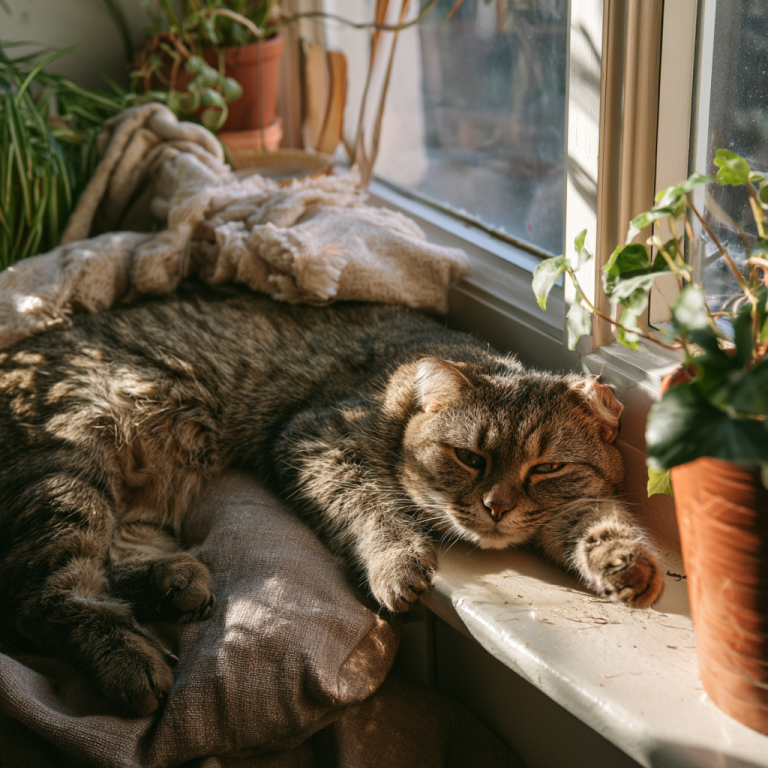
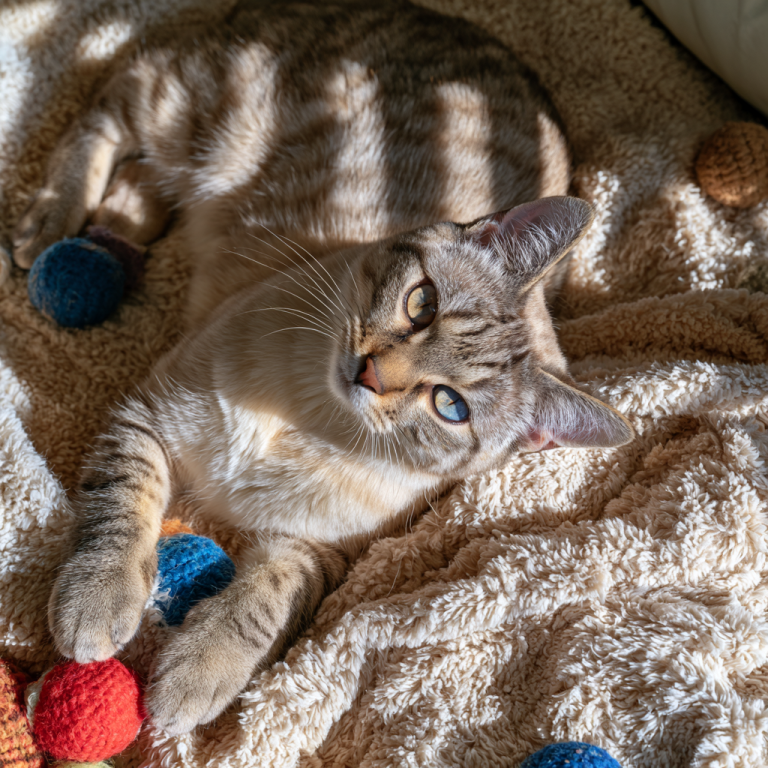
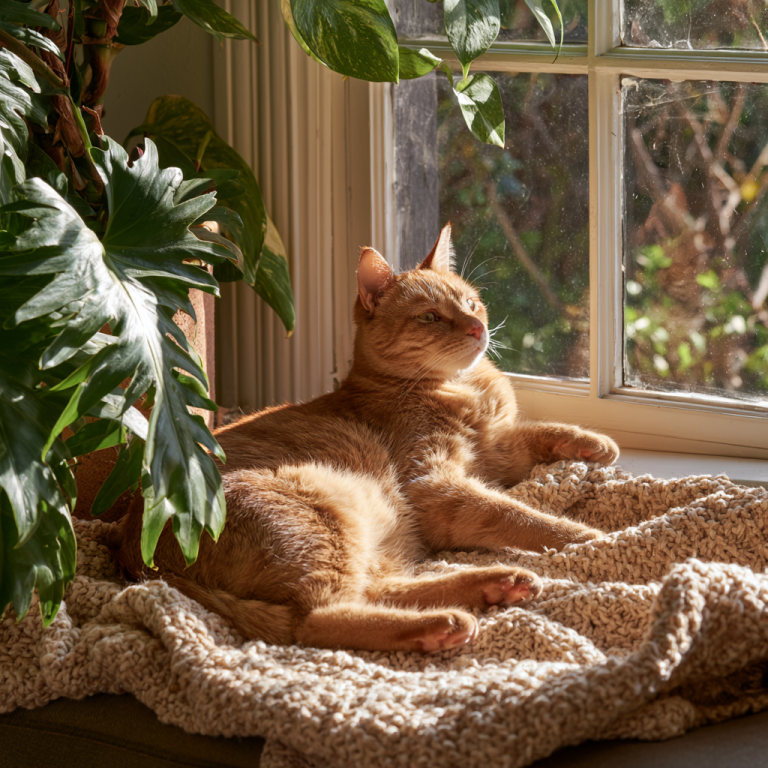
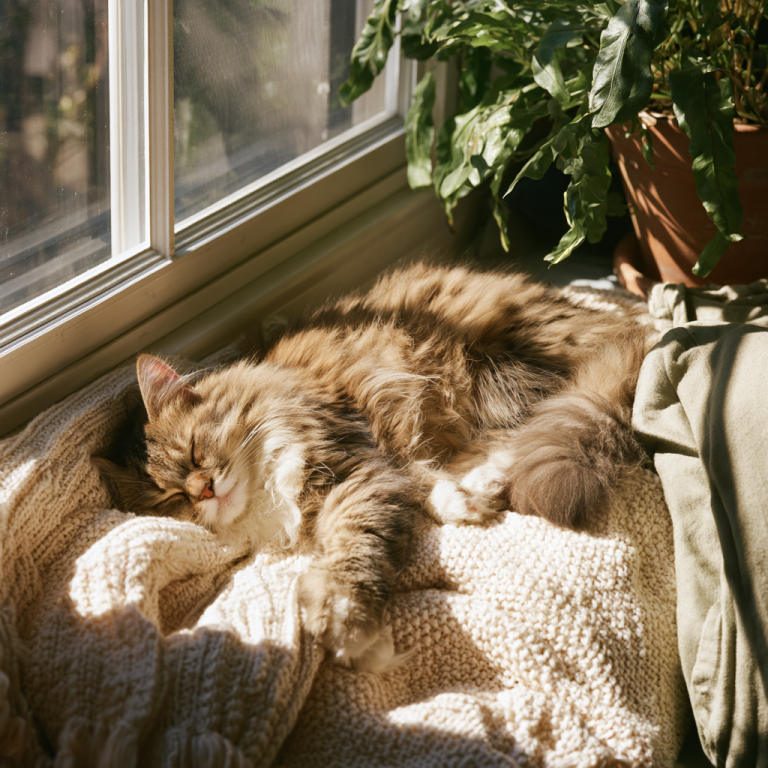
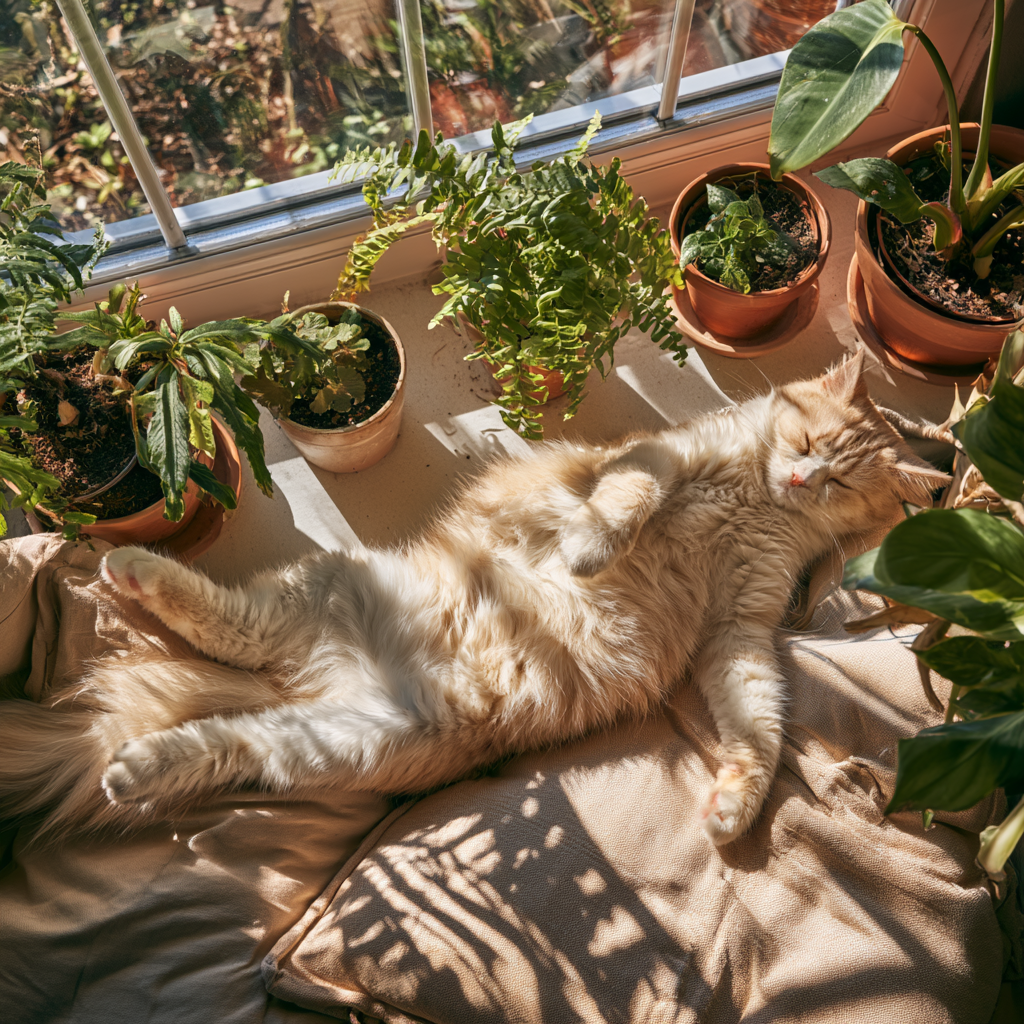
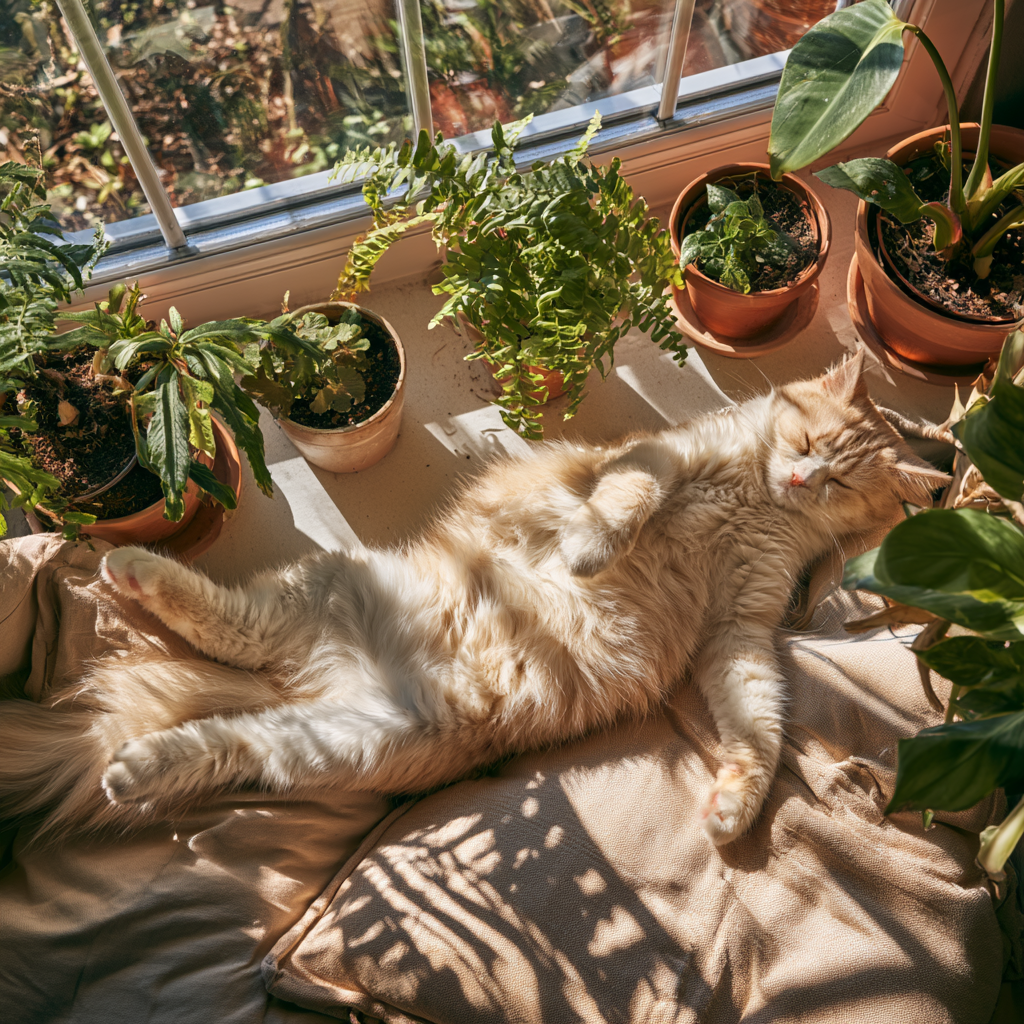
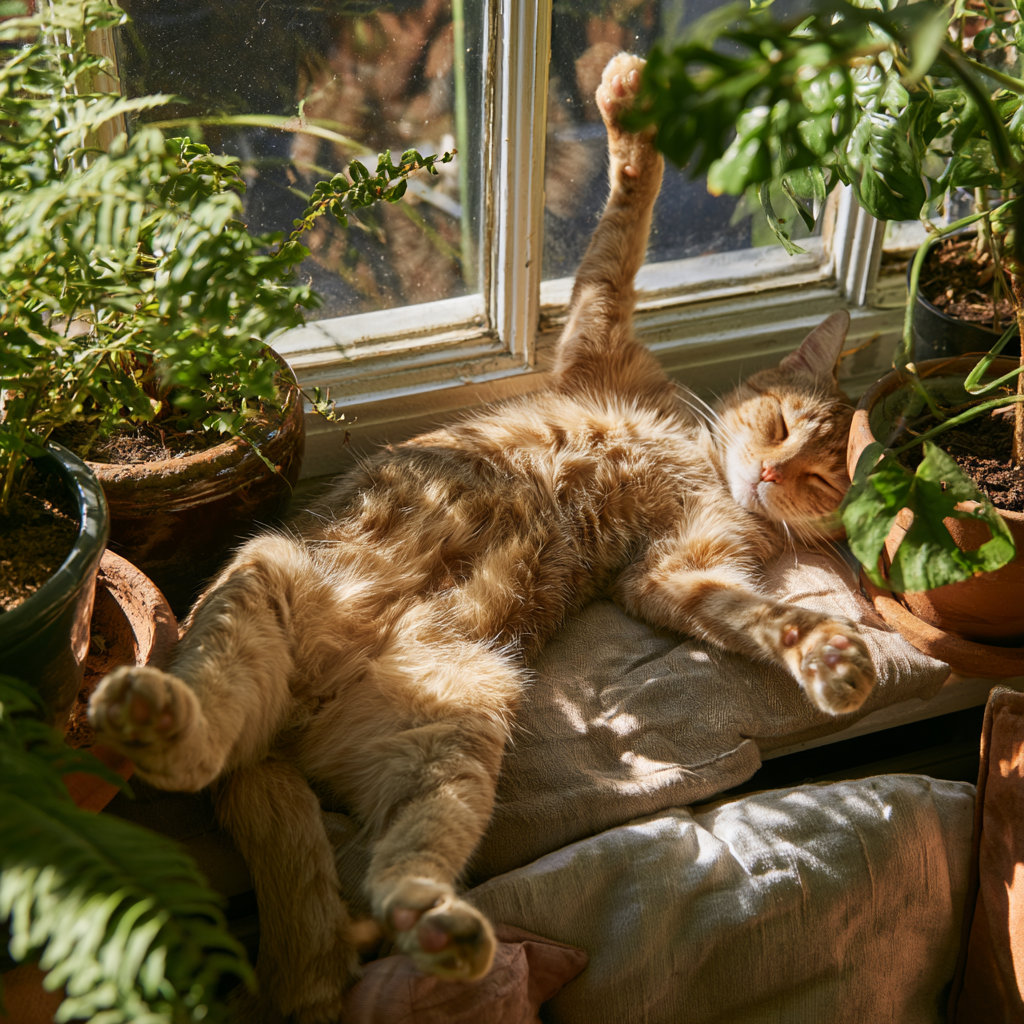
- Relaxed posture: A happy cat often sits or lies down in a relaxed manner, with their body sprawled out and limbs extended. They may also roll onto their back, indicating trust and comfort, though not every cat enjoys belly rubs.
- Purring: This soft rumble usually signifies contentment. However, it’s important to note that some cats may also purr when anxious or feeling unwell, so context is key.
- Slow blinking: When a cat looks at you and closes their eyes slowly, it’s often referred to as a “cat kiss,” indicating trust and safety. However, not all cats use this gesture, and individual preferences can vary.
- Active playfulness: Cats that actively engage in play, whether with interactive toys, fetching small items, or engaging with their humans, generally display a happy demeanor.
- Vocalizations: Happy cats may meow or make trilling sounds when interacting with their humans, indicating positive engagement and a desire for interaction.
In addition to these signs, it’s crucial to recognize that every cat is unique. For example, one cat may display happiness through energetic play, while another might prefer a quieter, relaxed approach. Familiarizing yourself with your cat’s preferences and examining their behaviors in different contexts will provide better insights into their emotional state.
Vocalizations that indicate happiness
Cats use a variety of sounds to communicate, and happy vocalizations can differ among individuals. Some common sounds to listen for include:
- Soft meows: Many cats will greet their owners with gentle meows that convey a friendly intent. The tone is often relaxed, indicating comfort.
- Trilling: This sound usually resembles a mix between a meow and a chirp, often used by cats when they want your attention or want to initiate play.
- Purring: A classic sign of happiness, purring can occur when a cat is sitting in your lap, being petted, or engaging in a comfortable activity.
- Chirps or chattering: These sounds sometimes denote excitement, particularly when a cat spots birds or other prey animals. While it might not directly signify happiness, it indicates enjoyment in the moment.
As you observe these vocalizations, pay attention to the context. A cat’s vocal sounds can change based on their mood, environment, and the presence of other animals or people. Therefore, consider the situation and your cat’s overall body language when interpreting these sounds as indicators of happiness.
Reading Your Cat’s Body Language
Understanding cat body language
To accurately assess your cat’s mood, it’s essential to become familiar with their body language, which can provide subtle clues about how they are feeling. A cat’s position, facial expressions, and tail movements all carry meaning.
| Body Language Cue | Interpretation |
|---|---|
| Tail up | Indicates happiness and confidence, often seen when walking towards you. |
| Tail flicking | Can signify excitement or agitation; context matters. |
| Ears forward | Suggests curiosity and interest, whereas pinned ears typically indicate fear or aggression. |
| Whiskers forward | Often denotes curiosity and engagement in the environment. |
| Kneading with paws | Indicates comfort and satisfaction, often reminiscent of kitten behavior with their mother. |
Understanding these cues helps us interpret their emotional state more accurately. For instance, an upright tail may indicate happiness, but if the tail is flicking rapidly, it may suggest irritation. Always consider the whole context, including environmental factors and other interactions.
Cautionary signs of stress or discomfort
Although we strive for a happy feline, various circumstances can lead to stress or discomfort, diverging from the typical behaviors of happiness.
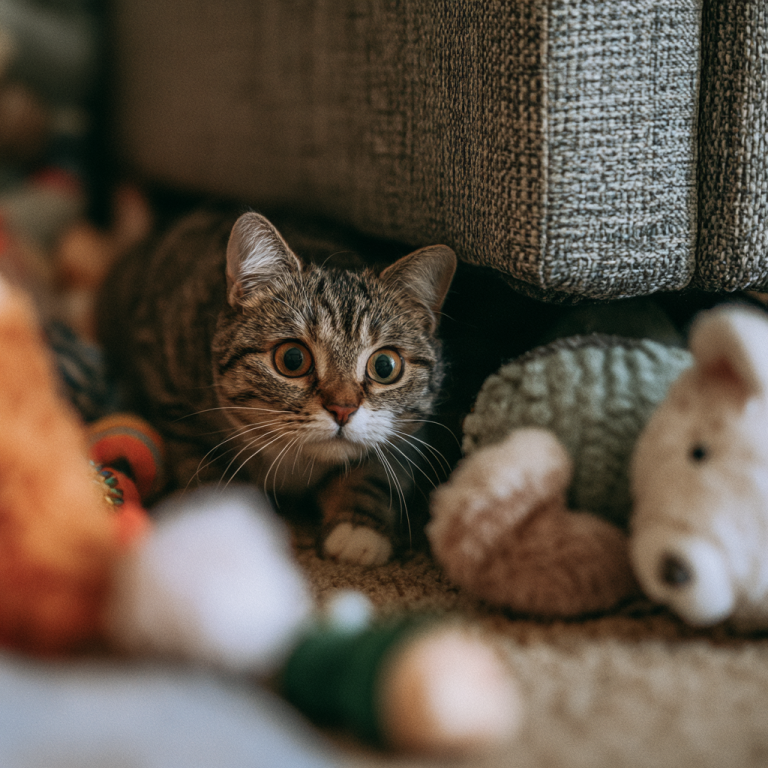
- Hiding: While some cats enjoy alone time, prolonged hiding could indicate stress or illness, especially if they are typically social.
- Aggression or hissing: These can be signals of fear or discomfort, often due to their feeling threatened or an unwanted interaction.
- Tail low or tucked: A tail that is held low or tucked between the legs can indicate submission, fear, or stress.
- Excessive grooming: Cats sometimes groom themselves to self-soothe; when it becomes excessive, this may signal anxiety or discomfort.
Being alert to these cautionary signs is crucial for ensuring our cats remain happy and healthy. If you notice persistent signs of stress or behavioral changes, consider consulting a veterinarian or animal behaviorist for tailored advice.
Enhancing Your Cat’s Happiness Through Interaction
Positive interactions with your cat
Engaging positively with your cat plays a significant role in their overall happiness. Each cat has unique preferences for interaction, including petting, play styles, and spaces they enjoy being in.
- Respect personal space: Pay attention to whether your cat enjoys being petted or prefers to engage on their terms. Let your cat approach you first, which fosters trust.
- Gentle handling: Some cats appreciate slow, gentle strokes. Observe your cat’s responses to find out what they enjoy most.
- Routine and predictability: Cats often thrive on routine, so maintaining consistent schedules for feeding, playtime, and interactions can contribute to their happiness.
- Engaging in their interests: Tailor activities to your cat’s preferences. This could be feather wands for the active explorer or cozy spots for a relaxed nap.
Encouraging positive, respectful interactions helps in building a strong bond between you and your cat, while reducing any potential stressors in the environment.
Importance of playtime for happiness
Playtime is crucial for a cat’s physical and mental well-being. Engaging regularly with your cat through play not only provides exercise but also stimulates their instincts and creativity.
Consider integrating various play types:
- Interactive toys: Toys that involve you, such as feather wands or laser pointers, often enhance the bond and are excellent for physical exercise.
- Solitary play: Provide toys that your cat can play with independently, such as puzzle feeders or balls, to keep them mentally engaged.
- Structured games: Incorporate activities that mimic hunting behaviors, allowing them to “chase” and “capture” toys.
By incorporating regular play of various types into your cat’s routine, not only does their happiness increase, but it also helps maintain their physical health. Always observe your cat’s reactions during play, ensuring that it remains enjoyable for them rather than overwhelming.
The ability to discern how to tell if your cat is happy requires attentive observation and an understanding of their unique preferences and behaviors. Each cat may display happiness differently, so embracing their individuality and context is essential for fostering a joyful relationship.
Frequently Asked Questions
What does it mean when a cat purrs?
Purring often indicates a content or happy cat, signaling that it feels safe and relaxed. However, context is important, as some cats may also purr when they are in pain or seeking comfort.
How can I tell if my cat is playing or feeling aggressive?
Playful cats usually exhibit loose, relaxed body language and engage in behaviors such as chasing or pouncing. In contrast, aggressive cats have tense muscles, flattened ears, and may hiss or growl, indicating discomfort or a desire to defend themselves.
What are signs of a stressed cat?
Signs of a stressed cat include hiding, excessive grooming, changes in appetite, and aggression. Observing any drastic changes in behavior is essential, as they may indicate your cat is feeling anxious or uncomfortable.
Do cats show affection differently than dogs?
Yes, cats often display affection in more subtle ways than dogs. While dogs may seek out physical closeness openly, cats might prefer slow blinks, head bumps, or simply being close to you without direct contact.
How important is playtime for a cat’s happiness?
Playtime is crucial for a cat’s happiness as it provides physical exercise, mental stimulation, and helps to satisfy their natural hunting instincts. Regular play promotes a healthier, happier lifestyle while strengthening the bond between you and your cat.