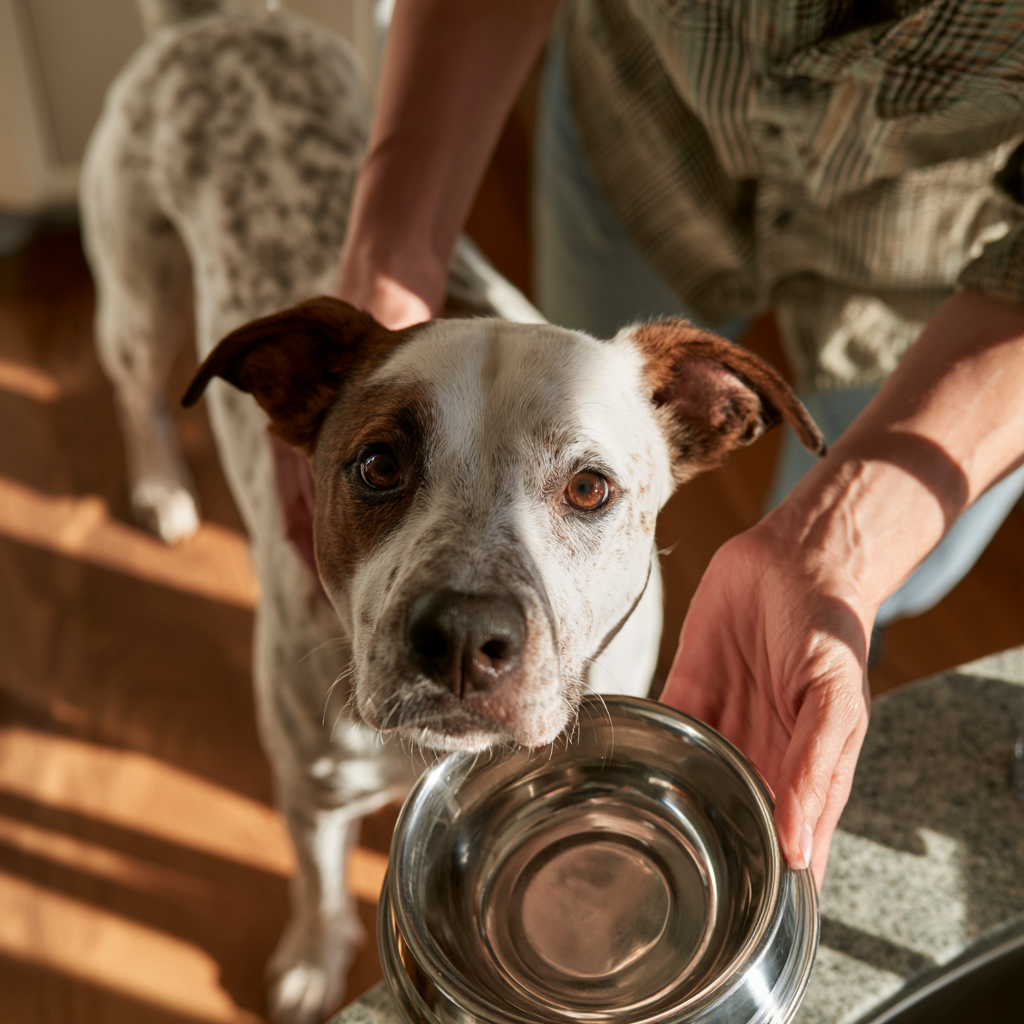
How Long Can Dogs Go Without Food: An In-Depth Look
How long can dogs go without food? This question weighs heavily on the minds of pet owners during emergencies, travel, or when their furry friends experience temporary food refusal. Dogs, while generally resilient, can still face health risks when deprived of their regular meals. The duration a dog can safely go without food largely depends on various factors including their age, weight, overall health, and hydration status. Understanding these components is key to ensuring the well-being of your canine companion.
Quick answer: Most dogs can typically go without food for about 1 to 2 days without serious health risks, although some might manage up to 3 to 5 days under specific conditions. However, dehydration can occur much more quickly, so it’s vital to monitor your dog for signs of distress and to consult a veterinarian if they refuse food for an extended period.
How Long Can Dogs Go Without Food?
Understanding Fasting Duration
When considering how long dogs can go without food, it’s essential to remember that individual circumstances greatly influence this duration. Generally, most healthy dogs can survive without food for around 1 to 3 days. However, some larger breeds may endure slightly longer than smaller dogs due to their fat reserves. Puppies and smaller breeds tend to be more sensitive to fasting, often requiring more consistent feeding schedules to maintain health.
Factors that affect how long a dog can go without food include:
- Age: Puppies and older dogs may have less tolerance for fasting.
- Health Status: Dogs with underlying health conditions might struggle more during fasting.
- Body Condition: Overweight dogs may have more fat reserves to draw on than underweight dogs.
- Hydration: Access to water is critical; a dog without food but with water can last longer than a dog with neither.
A compelling consideration is that a dog’s ability to withstand fasting is closely linked to their hydration levels. While a well-fed dog may last a few days without food, lack of access to water can become a life-threatening issue much sooner. Ideally, pet owners should monitor their dogs for any signs of distress associated with both food deprivation and hydration.
Signs of Hunger and Distress
Recognizing how your dog communicates hunger and discomfort is vital. Dogs may display various behaviors that signal they are hungry or distressed due to not eating. Signs to watch for include:
- Vocalizations: Whining, barking, or growling may indicate distress or a desire for food.
- Increased Restlessness: A hungry dog may pace, seem agitated, or constantly seek food.
- Begging Behaviors: Persistent attempts to reach food sources or staring at their food bowl can signify hunger.
- Changes in Behavior: If a normally active dog becomes lethargic or withdrawn, it may indicate health issues that require attention.
If you notice any concerning signs, it’s crucial to evaluate the cause of the food refusal. Sometimes, behavioral issues or stress can influence a dog’s eating habits. For example, an unfamiliar environment, new people, or changes in routine might cause temporary loss of appetite. Always ensure your dog remains calm and comfortable, and give them an opportunity to eat at their own pace while observing their reactions closely.
Physical Health Effects of Prolonged Fasting
Impact on Weight and Energy
Prolonged fasting can lead to significant health effects on your dog, particularly regarding their weight and energy levels. When a dog goes without food, the absence of essential nutrients can quickly lead to depletion of energy reserves. Initially, energy levels might seem stable; however, after a day or two, you could observe:
- Fatigue: Lack of food can cause your dog to become noticeably lethargic or unresponsive to stimulation.
- Weight Loss: Dogs typically lose weight after not eating for a few days, which can be especially dangerous for those already at a lower weight.
- Muscle Loss: Extended periods without food can lead to muscle breakdown as the body resorts to using muscle mass for energy.
- Nutritional Deficiencies: Critical vitamins and minerals will be absent, which may lead to longer-lasting health issues even after regular feeding resumes.
The impacts of fasting are not uniform; some dogs might demonstrate stubborn resilience, while others may take ill more quickly. This variability illustrates the importance of monitoring your dog continuously when they refuse food, as a lack of attention can lead to serious health repercussions.
Risk of Dehydration
Dehydration occurs rapidly and can turn into a medical emergency far sooner than food deprivation. A dog’s body is composed of about 60-70% water, and maintaining hydration is vital for essential bodily functions. If a dog does not drink water, they can become dehydrated in as little as 24 hours.
Common signs of dehydration in dogs include:
- Dry Gums: Gums should be moist; if they feel dry or tacky, it could indicate dehydration.
- Loss of Skin Elasticity: Pinching the skin gently on the back of the neck should return to normal quickly; if it remains elevated, dehydration may be present.
- Sunken Eyes: Eyes that appear dull or sunk may signal a lack of hydration.
- Lethargy: A normally energetic dog that shows unusual tiredness may need immediate medical attention.
To avoid dehydration, ensure your dog has constant access to fresh water. If your dog is refusing water, you can try to encourage them to drink by:
- Offering ice cubes or ice chips, as many dogs enjoy chewing on these.
- Adding some low-sodium broth to their water to enhance flavor.
- Providing them with wet dog food, as it contains moisture that can help with hydration.
- Using a pet water fountain, which may attract dogs that prefer fresh running water.
If you observe your dog displaying signs of dehydration, it’s critical to consult a veterinarian immediately. Monitoring your dog’s hydration status is just as important as their food intake, as the two go hand in hand in maintaining overall health.
—
Safety Note: If your dog has not eaten for 24 hours or displays signs of distress, such as lethargy, vomiting, or persistent diarrhea, you should contact your veterinarian promptly. It’s always better to err on the side of caution when it comes to your pet’s health.
—
Understanding how long dogs can go without food is vital for keeping them healthy and happy. By being observant and proactive, you can mitigate risks associated with fasting and ensure your dog receives the care they need.
Frequently Asked Questions
What happens if a dog goes without food for 3 days?
If a dog goes without food for three days, they may begin to experience fatigue, weakness, and a loss of muscle mass. While many dogs can survive this period, it is not advisable as significant health risks can develop.
How long can dogs last without water?
Dogs can typically survive without water for about 1 to 2 days, although this can vary based on factors like temperature and activity level. Dehydration can lead to serious health problems, so access to fresh water is essential.
What to do if my dog refuses to eat?
If your dog refuses to eat, observe for any signs of illness or distress. Providing a favorite food or warming up their meals may encourage eating, but if they don’t eat for more than 24 hours, consult a veterinarian for guidance.
Can dogs lose weight from not eating?
Yes, dogs can definitely lose weight from not eating, especially if they miss multiple meals. Prolonged lack of nutrition can lead to muscle wasting and other health issues.
How often should I feed my dog?
Most adult dogs should be fed twice a day, while puppies may require three to four smaller meals. Adjusting feeding frequency can depend on your dog’s age, activity level, and health status.