The Havana Brown: Characteristics of the Chocolate-Colored Cat
The Havana Brown: Characteristics of the Chocolate-Colored Cat are a captivating blend of beauty and personality. Known for their striking cocoa-colored coats and affectionate demeanor, these cats have won the hearts of many and continue to charm new admirers. With a rich history and a host of defining traits, understanding the Havana Brown is essential for potential owners and cat enthusiasts alike.
Quick answer: The Havana Brown is a medium-sized cat characterized by its distinctive chocolate-colored coat, friendly temperament, and playful nature. They thrive in social environments and generally exhibit a strong bond with their owners.
The Havana Brown: Characteristics of the Chocolate-Colored Cat
Physical traits of the Havana Brown cat
The Havana Brown cat is often described as having a compact and muscular build, contributing to its robust appearance. Typically, they weigh between 6 to 12 pounds, with males usually being larger than females. Here are some key physical traits:
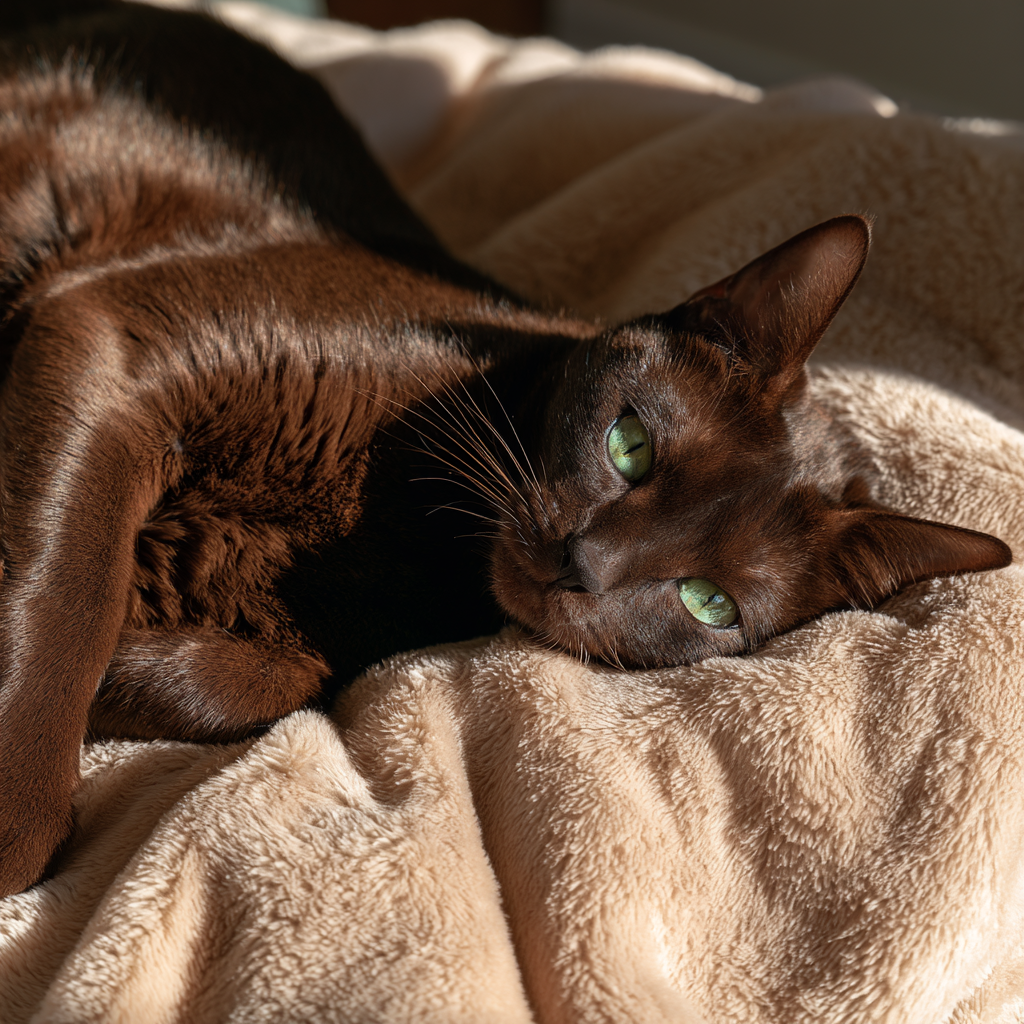
- Coat: Their short, dense, and silky fur is a rich chocolate brown, which can sometimes have a subtle reddish tint under different lighting conditions.
- Eyes: One of their most striking features is their vibrant green eyes, which stand out against their dark coat. The eye color can vary slightly, but deep green is the most prized.
- Face and Body: The Havana Brown has a rounded head with a distinct short muzzle, and they possess medium-sized, slightly rounded ears. Their overall body structure is muscular yet elegant, with a graceful, medium-length tail.
This combination of features not only contributes to their unique appearance but also to their overall charm as companion animals. Their physical beauty is complemented by a playful energy that engages both families and individuals.
Understanding the Havana Brown temperament
The temperament of the Havana Brown cat is one of its defining characteristics. Known for being affectionate and loyal, they typically form strong bonds with their human companions. Their social disposition often translates into several behaviors that prospective owners should be aware of:
- Affectionate: Many Havana Browns enjoy sitting on laps and cuddling, often following their owners around the house.
- Intelligent: These cats are curious and need mental stimulation. They thrive on interactive play and can often learn tricks or enjoy puzzle toys that challenge their intellect.
- Independent: While they love socializing, the Havana Brown also values their independence. Some may enjoy solitary playtime or observing from a perch without feeling distressed.
While they generally demonstrate a pleasant temperament, it’s essential to recognize that individual personality differences exist. Some may be more outgoing or playful, while others prefer a calmer environment. Observing how your Havana Brown interacts with you and their environment will provide insights into their unique personality.
Caring for Your Havana Brown Cat
Nutritional needs and grooming
Ensuring the health of your Havana Brown begins with proper nutrition. This breed does well on high-quality cat food, whether it’s dry, wet, or a mix of both. Consider the following guidelines:
- Protein-Rich Diet: Look for cat food that lists real meat as the first ingredient. Protein is essential for their muscle maintenance and overall health.
- Consult a Veterinarian: Each cat has unique dietary needs based on age, weight, and health status. A vet can help tailor a diet that suits your Havana Brown best.
In addition to nutrition, grooming plays a significant role in maintaining their health:
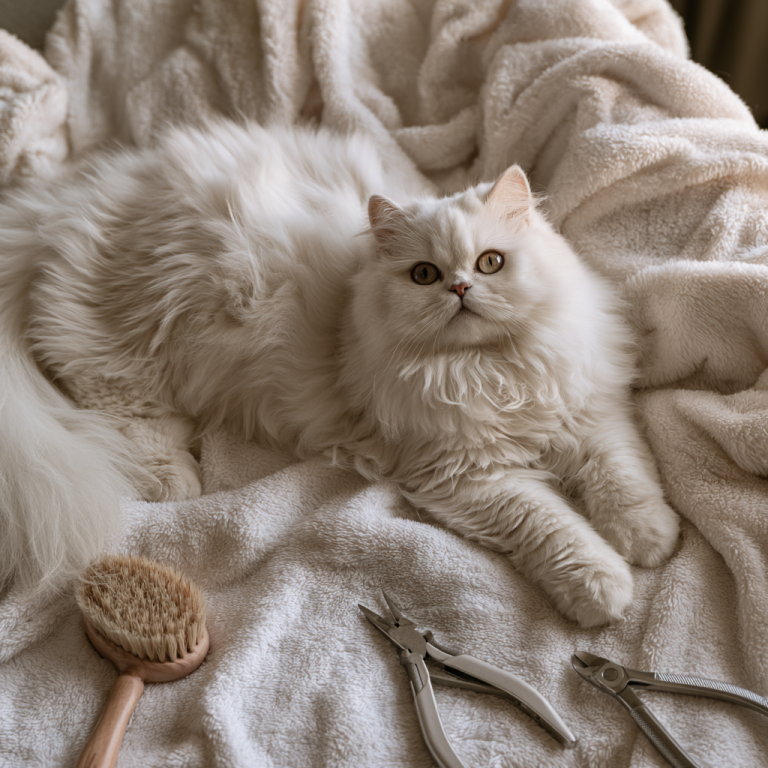
- Coat Care: Their short coat requires minimal grooming, but regular brushing helps reduce shedding and keeps their coat in good condition. A soft brush once a week is usually sufficient.
- Dental Health: Regular dental care, including brushing, should not be overlooked to prevent oral health issues.
Being attentive to both nutrition and grooming will ensure your Havana Brown thrives in a healthy and happy environment.
Creating a suitable environment
Havana Browns are active and social cats, requiring an environment that caters to their social needs. Here are some considerations for creating a nurturing atmosphere:
- Interactive Spaces: Provide access to climbing trees, scratching posts, and toys to engage their natural instincts for exploration and play.
- Social Interaction: These cats thrive on companionship, whether it’s with human family members or other pets. If left alone for extended periods, they may become bored or anxious, leading to unwanted behaviors.
- Safe Hideaways: Always ensure that your Havana Brown also has quiet spaces to retreat when they need rest or alone time, enhancing their emotional well-being.
By observing your cat’s behaviors, we can adjust these recommendations to fit their individual personalities, ensuring a suited environment for their needs.
The History and Development of the Havana Brown
Origins of the breed
The history of the Havana Brown is intriguing and somewhat mysterious. This breed is believed to have originated in the mid-20th century, particularly in the United Kingdom. The breed’s lineage is often traced back to a combination of Siamese and other chocolate-colored domestic cats. Some sources suggest that the breed was named after the rich brown color reminiscent of Havana cigars. Over the years, dedicated breeders worked to establish the specific traits and characteristics associated with the Havana Brown we know today.
Influence of other cat breeds
Several breeds have influenced the Havana Brown’s development, contributing to its distinct traits:
- Siamese: The playful and social nature of the Siamese breed is evident in the Havana Brown’s personality, providing a foundation for their affectionate tendencies.
- Russian Blue: Some reports suggest that Russian Blue ancestry contributed to the Havana’s striking eye color and sleek coat.
- Domestic Shorthairs: These cats provided genetic diversity that helped to strengthen the breed’s overall health and resilience.
Through careful breeding, the characteristics of the Havana Brown were solidified, resulting in a unique breed that continues to captivate cat lovers worldwide.
Unique Behaviors of the Havana Brown Cat
Playful and affectionate nature
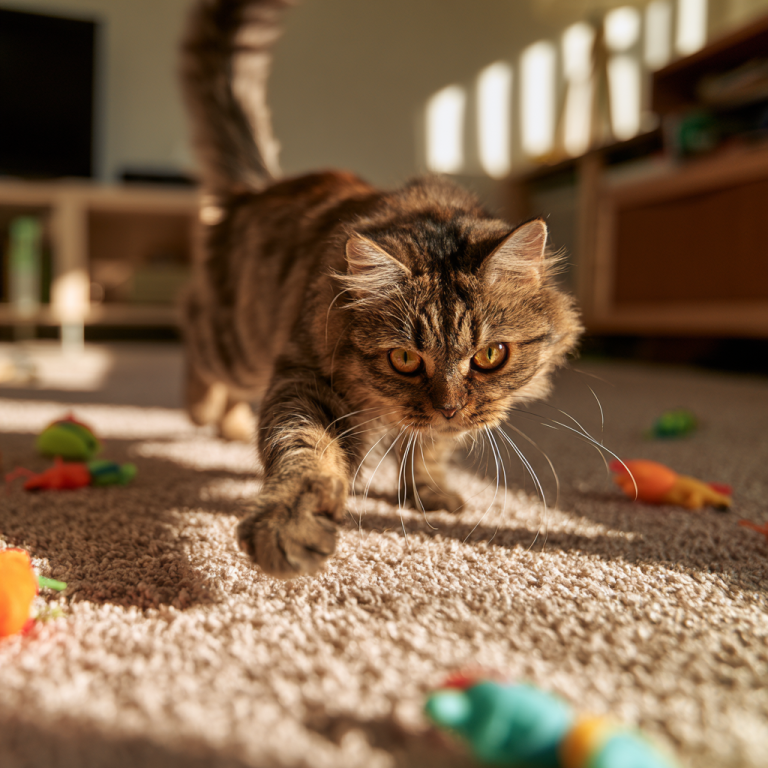
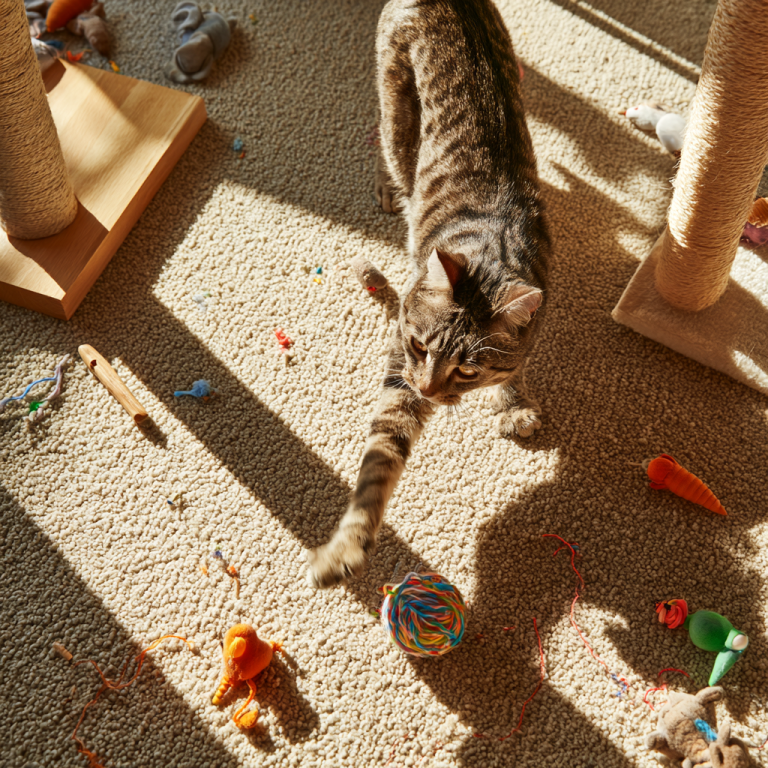
Havana Browns are known for their playful and affectionate behaviors, which often make them a joy to have around. They are typically active cats, enjoying interactive games like fetch or chase. You might find them happily batting around a feather toy or engaging in a game of hide and seek. Their curious nature often leads them to explore new environments and engage with various stimuli. During playtime, they might pounce and bound across the room, displaying agility and energy.
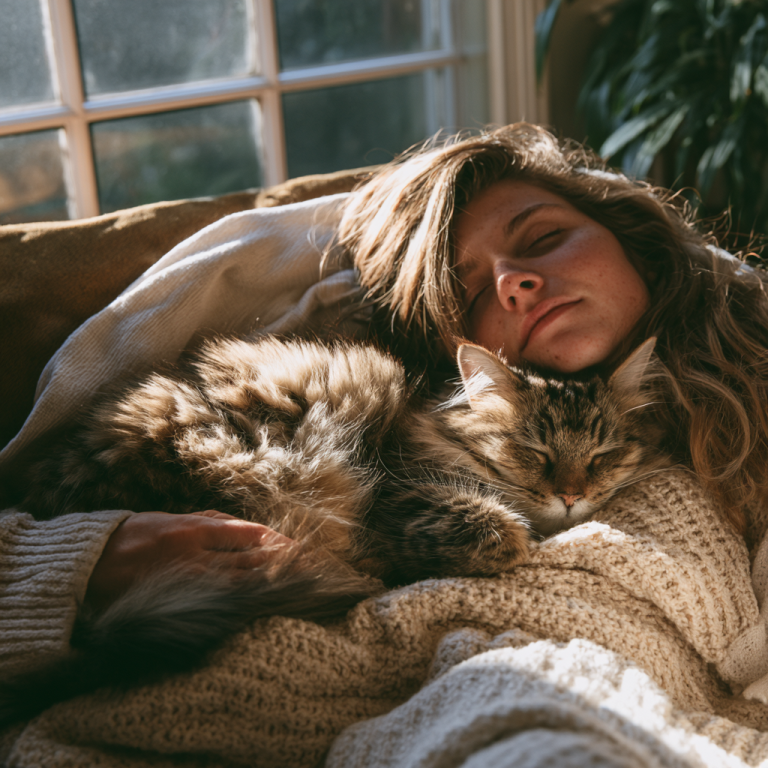
Alongside their playfulness, they are equally affectionate. Many owners report that their Havana Browns often seek cuddles and enjoy being near them, even curling up beside them on the couch. This bond reinforces their reputation as companionable felines that thrive in loving households.
Signs of stress or discomfort
While generally social and affectionate, there are times when a Havana Brown may exhibit signs of stress or discomfort. Recognizing these signals is critical for both their health and well-being:
- Body Language: A cat that feels threatened might flatten its ears against its head, puff up its body, or hide away.
- Vocalization: Changes in vocalization, such as excessive meowing or growling, can indicate unease or stress.
- Changes in Behavior: Withdrawing from social interactions or a sudden decrease in appetite may signal that something is wrong.
By observing the context surrounding these behaviors, you can gain insights into your cat’s emotional state. It’s essential to create a stable environment and respond to their needs, as every cat experiences stress differently.
Common Questions About the Havana Brown
Are they prone to health issues?
While the Havana Brown is generally considered a healthy breed, they can be predisposed to certain health conditions. Specific concerns may include dental issues, respiratory problems, and obesity. Regular veterinary check-ups are vital for monitoring their health and addressing any potential issues early on. Additionally, as with any breed, maintaining a healthy diet and an active lifestyle can significantly reduce these risks.
Do they get along with other pets?
Havana Browns are known for their sociable nature, which generally makes them good companions for other pets. Their playful and friendly disposition allows them to coexist peacefully with dogs and other cats, especially if introduced properly. It is recommendable to supervise initial interactions, allowing both the new addition and existing pets to get accustomed to each other’s presence gradually. As always, monitor their behaviors to create a harmonious living environment.
Frequently Asked Questions
What makes the Havana Brown unique?
The Havana Brown is unique due to its rich chocolate-colored coat, sociable temperament, and affectionate nature. These traits, combined with their distinctive onyx markings and almond-shaped eyes, make them stand out among other cat breeds.
How should I care for a Havana Brown cat?
Caring for a Havana Brown involves providing a high-quality diet, regular grooming, and a stimulating environment. They benefit from engaging activities, including play and exploration, to satisfy their curious nature.
What is the temperament of the Havana Brown cat?
The temperament of the Havana Brown cat is typically affectionate and social. They are known for being playful and curious, often enjoying close bonds with their owners and actively seeking companionship.
Are Havana Brown cats good companions?
Yes, Havana Brown cats are excellent companions. Their friendly and gentle nature encourages strong emotional connections with their human families, making them suitable for both singles and families.
What health issues are common in Havana Brown cats?
Havana Brown cats may be prone to certain health issues, such as respiratory concerns or dental problems. Regular veterinary check-ups are advised to monitor their health and address any potential concerns early on.